Artifacts of Independence: Exploring the Physical Record of the Nation's Founding
As the United States approaches its 250th anniversary in July 2026, the stories of 1776 and beyond are being retold across the country. Primary documents and other artifacts stand as important evidence of the historical record, and as touchstones for discovery that often reveal alternative narratives and more inclusive perspectives that improve our connections to the past.
Artifacts of Independence is a social media series exploring the material record of the Revolutionary era and its ongoing legacy. The series launched in February 2026 and will continue through the anniversary year. While CCAHA conserves materials spanning the full timeline of American history, this series focuses on the founding period because of its enduring influence on national identity — and because our Philadelphia location offers direct access to materials that illuminate the debates, rights, and responsibilities that continue to shape the present.
Through these objects, the American Revolution can be understood in tangible terms: a scorched leather binding, fading iron gall ink, the texture of 18th-century paper. From political documents that shaped new systems of government to personal records that document who was included — and who was left out — these materials hold the evidence of a nation still in formation. Conservation ensures this evidence remains accessible for study, interpretation, and re-examination over time.
This page will be updated throughout the series with links to new posts, featured highlights, and supplemental materials as the series continues.
Follow along on Instagram, LinkedIn, and Facebook as we share more #ArtifactsOfIndependence.
#ArtifactsOfIndependence Vol 1. | The Black Founder: Portrait of James Forten
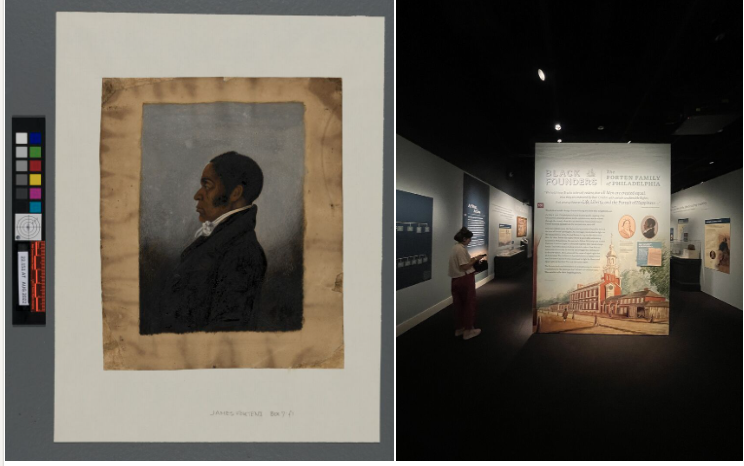
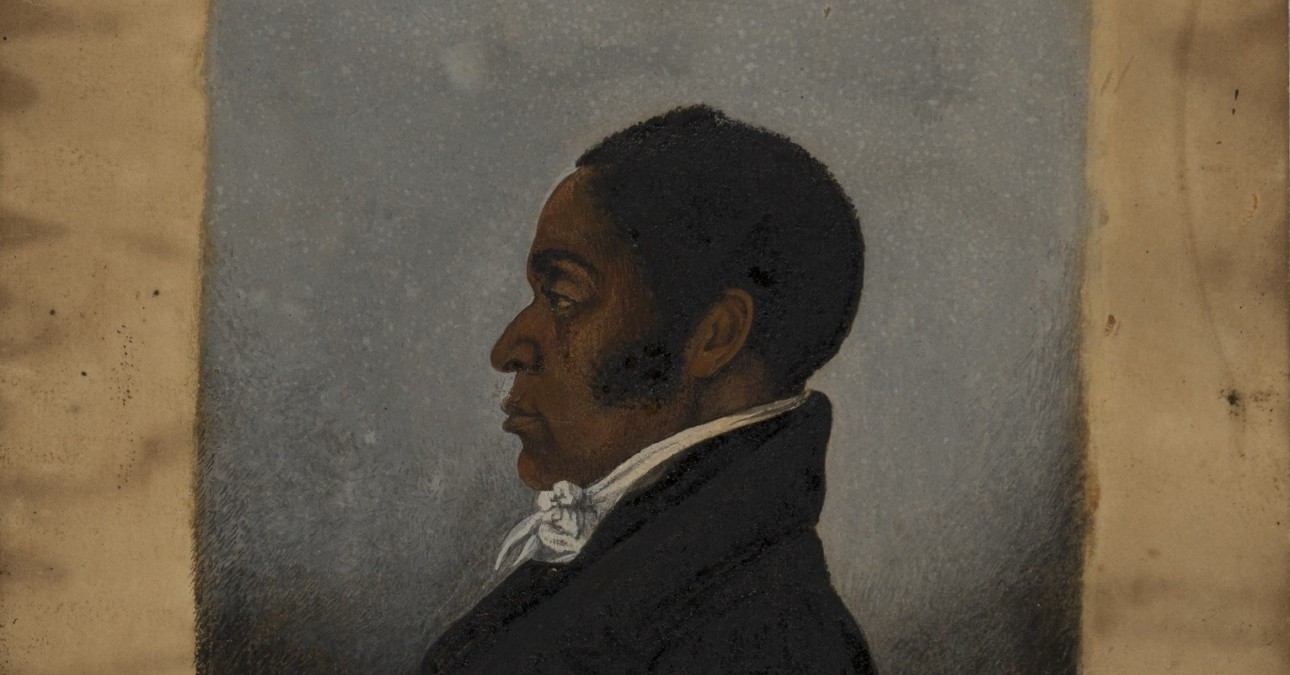
Portrait of James Forten, c. 1818, from the collection of the Historical Society of Pennsylvania; Museum of the American Revolution's 2023 Exhibit: "Black Founders: The Forten Family of Philadelphia." Learn more about the treatment and how CCAHA helped prepare for the exhibit.
#ArtifactsOfIndependence Vol 2. | Revision as Revolution: Christ Church Book of Common Prayer
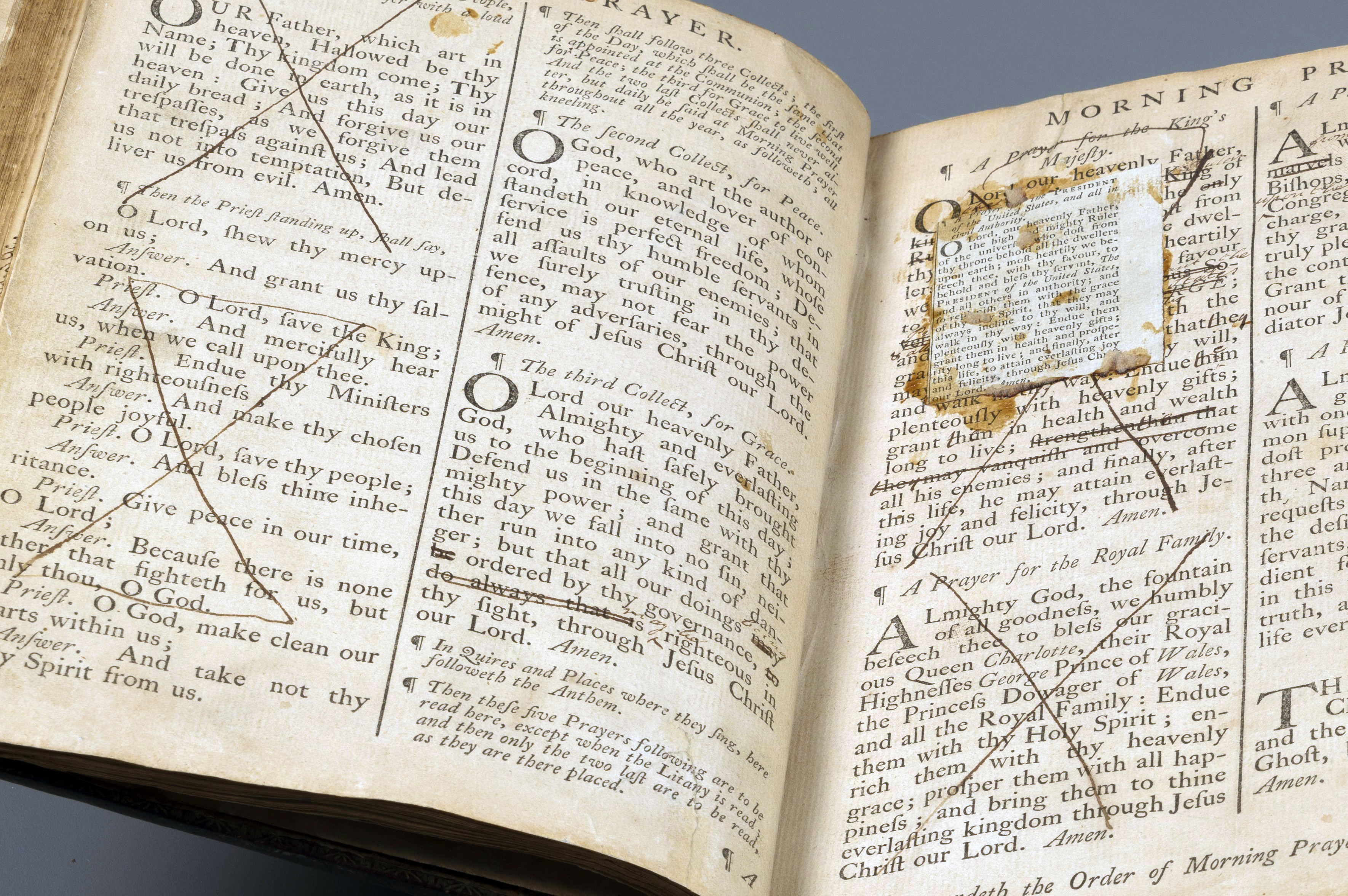
Book of Common Prayer, 1768, with historic notations of proposed edits to the prayer book. These edits include modification of prayers for the ruling authorities to reflect the changes brought about by the War for Independence, from the collections of Christ Church, Philadelphia. View high resolution digital scans of the large historic 1766 copy that CCAHA treated in 2003 via the Philadelphia Congregations Project.
#ArtifactsOfIndependence Vol 3. | The Radical Blueprint: PA State Constitution
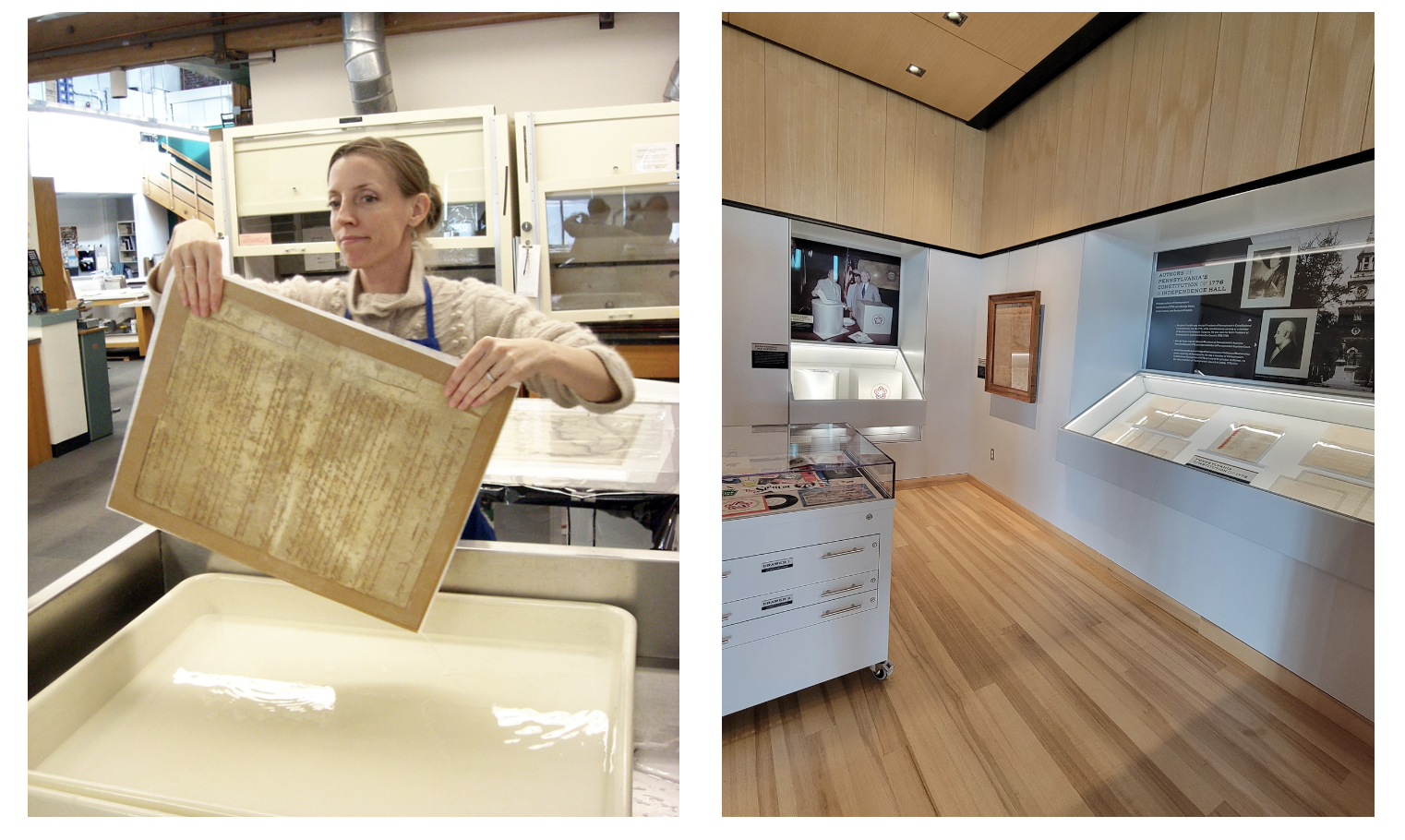
Pennsylvania Constitution of 1776, from the Pennsylvania State Archives collections. Viewed here during conservation treatment in 2013 and on display for the current exhibit, The Declaration: Independence and Remembrance, through the end of July. The Archives are open to the public Wednesday – Friday, and the second Saturday of each month, 9:00 – 4:00.
#ArtifactsOfIndependence Vol 4. | The Soundtrack of 1776: Owen Madden's Tune Book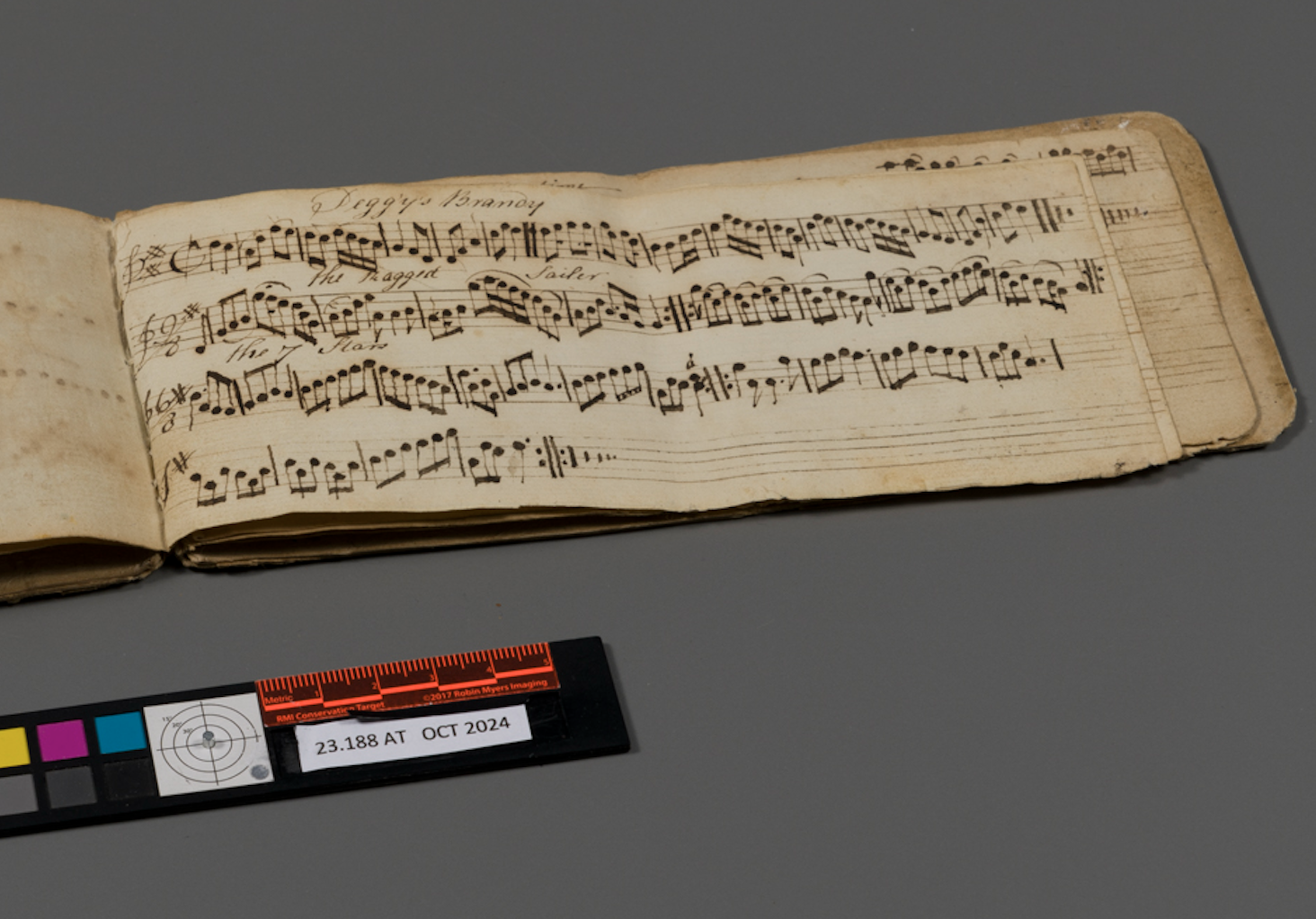
Owen Madden's Tune Book, ca 1775, from the Museum of the American Revolution collections. This handwritten music book includes scores and fingering instructions for music of the Revolutionary era. It was compiled by Owen Madden, a schoolmaster from Ulster County, New York, who served as a fifer in the 3rd New York Regiment in 1775. Listen to audio recordings of these historic tunes performed on period-accurate instruments, via the Museum of the American Revolution.
#ArtifactsOfIndependence Vol 5. | Unfinished Revolutions: Moravian Archives Church Records
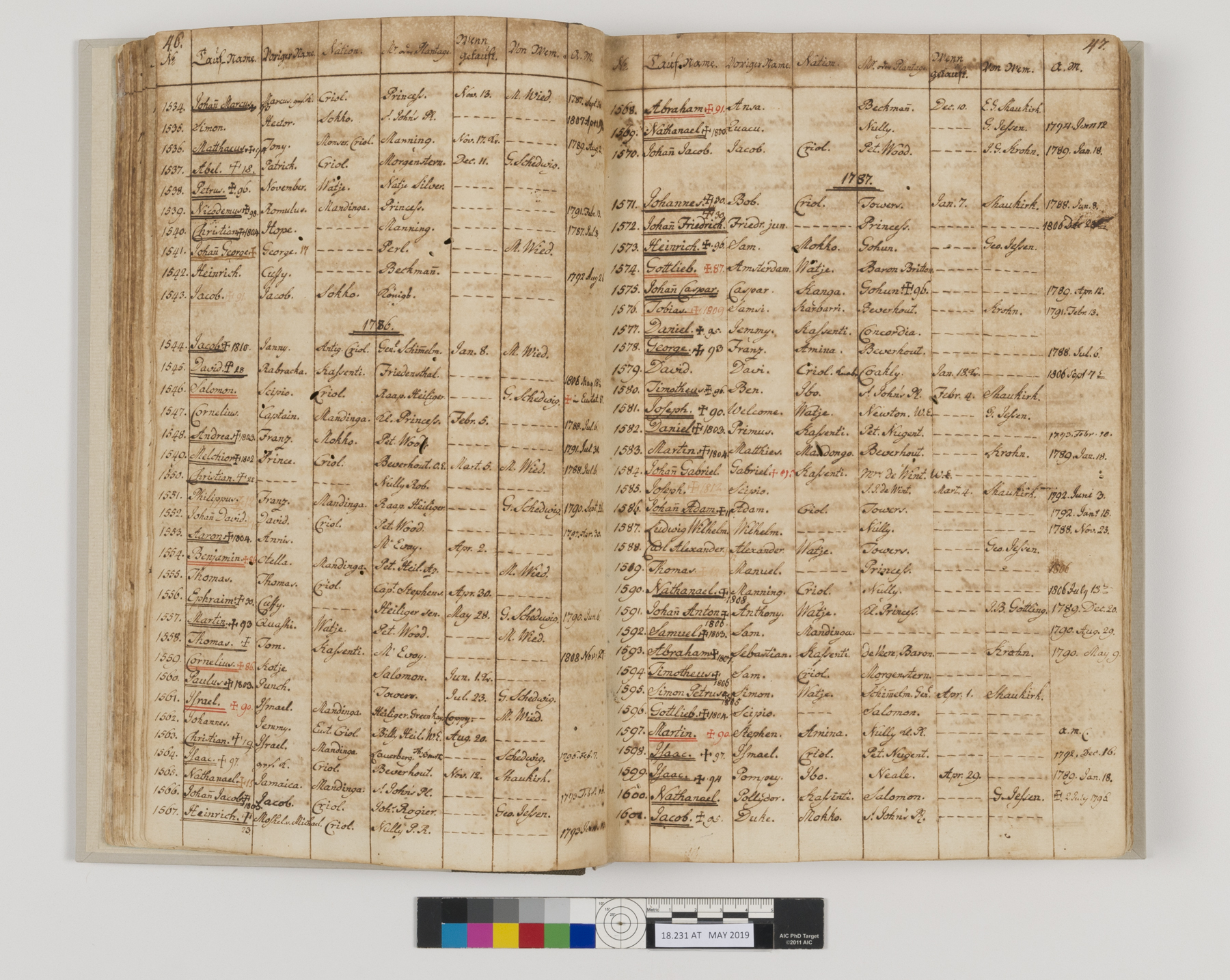
Church register for male members of the Friedensthal Mission in St. Croix, 1744–1832, and register from the Moravian Church in Antigua, 1771–1798, after treatment. Conserved and digitized through a decade-long collaboration between CCAHA and the Moravian Archives. Explore the digitized records via the Digital Library of the Caribbean. Read more about the project on a previous post on the CCAHA blog: A Decade of Collaboration with Moravian Archives.
#ArtifactsOfIndependence Vol. 6 | The Monumental View: A Map of the British Empire in America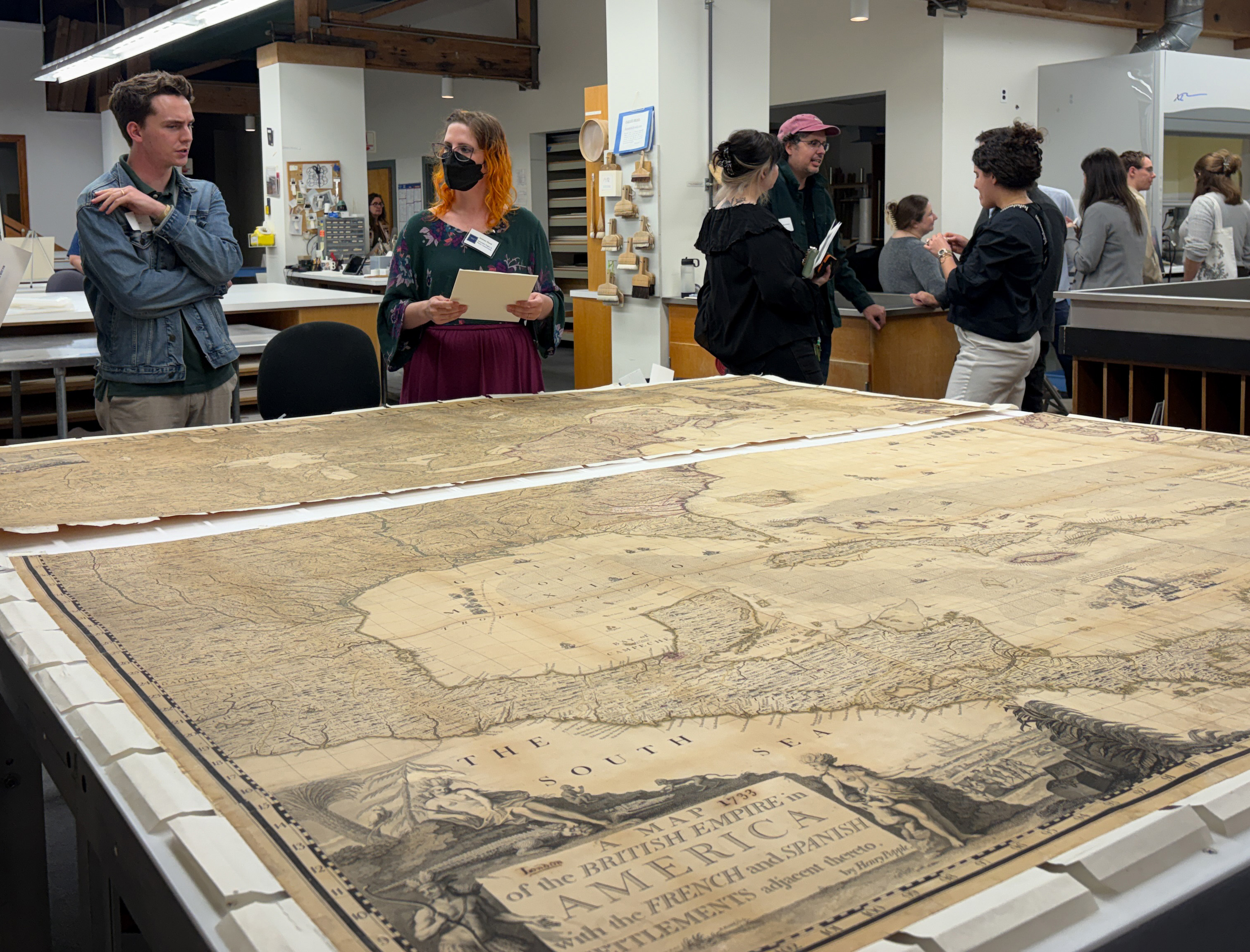
A Map of the British Empire in America (1733), by Henry Popple and Clement Lempriere, from the collections of the American Philosophical Society, on display at CCAHA's Fall Open House. The first large-scale map to depict all thirteen colonies and European territories in North America, the eight-foot map—assembled from 20 engraved sheets—was conserved by CCAHA in preparation for America's 250th anniversary. It is now on view in the American Philosophical Society exhibit These Truths: The Declarations of Independence.
#ArtifactsOfIndependence Vol. 7 | A School Born of Revolution: Founding Deeds of Lafayette College
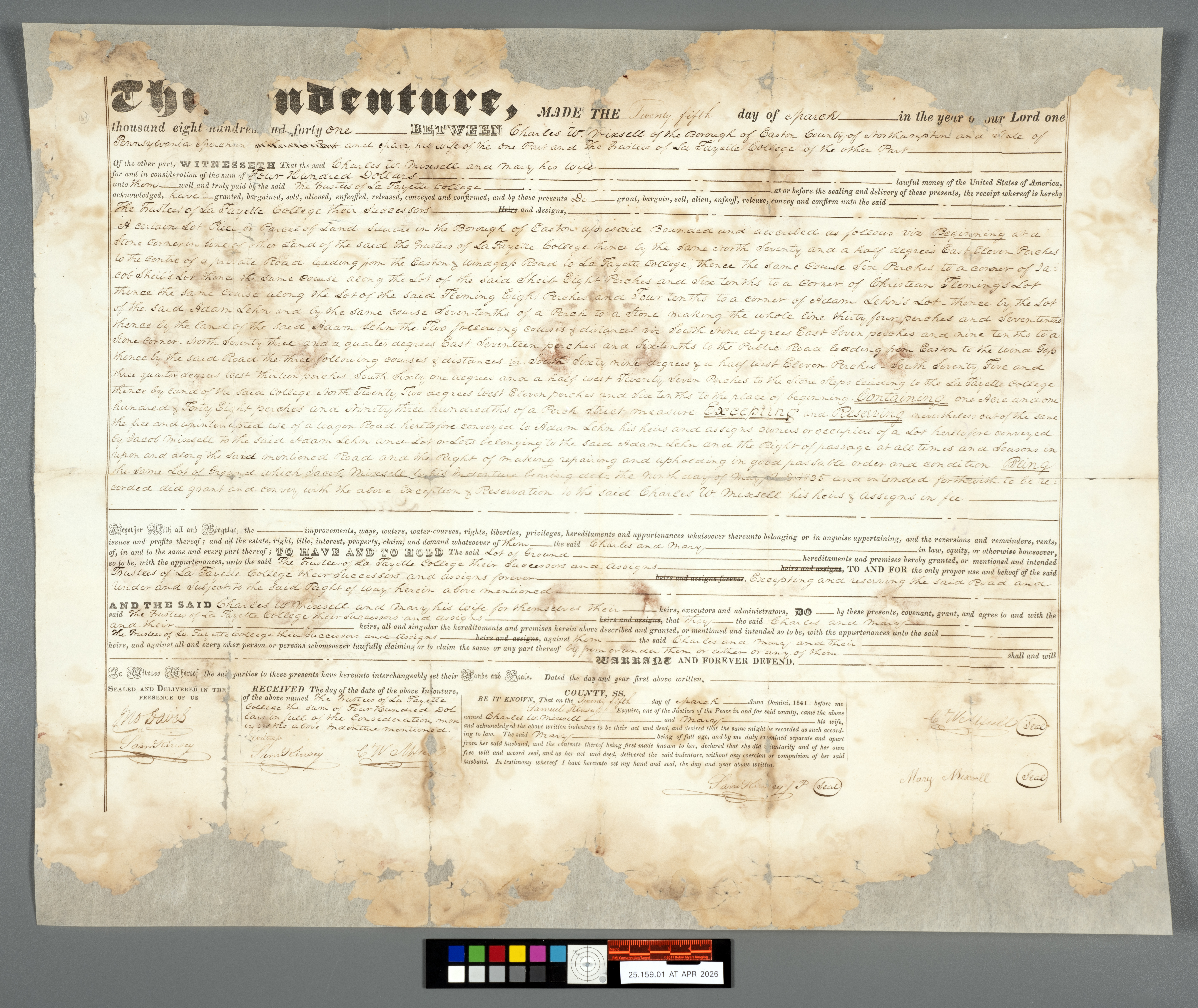
Deed for Lafayette College Plot E, 1841, from the collections of Special Collections & College Archives, Skillman Library, Lafayette College. These property deeds document the transfer of land on College Hill in Easton, PA that gave the institution its permanent home, founded in honor of the Marquis de Lafayette following his celebrated 1824 U.S. tour. Lafayette College marks its bicentennial in 2026.
#ArtifactsOfIndependence Vol. 8 | Beyond the Needle: The Betsy Ross Family Bible (1791)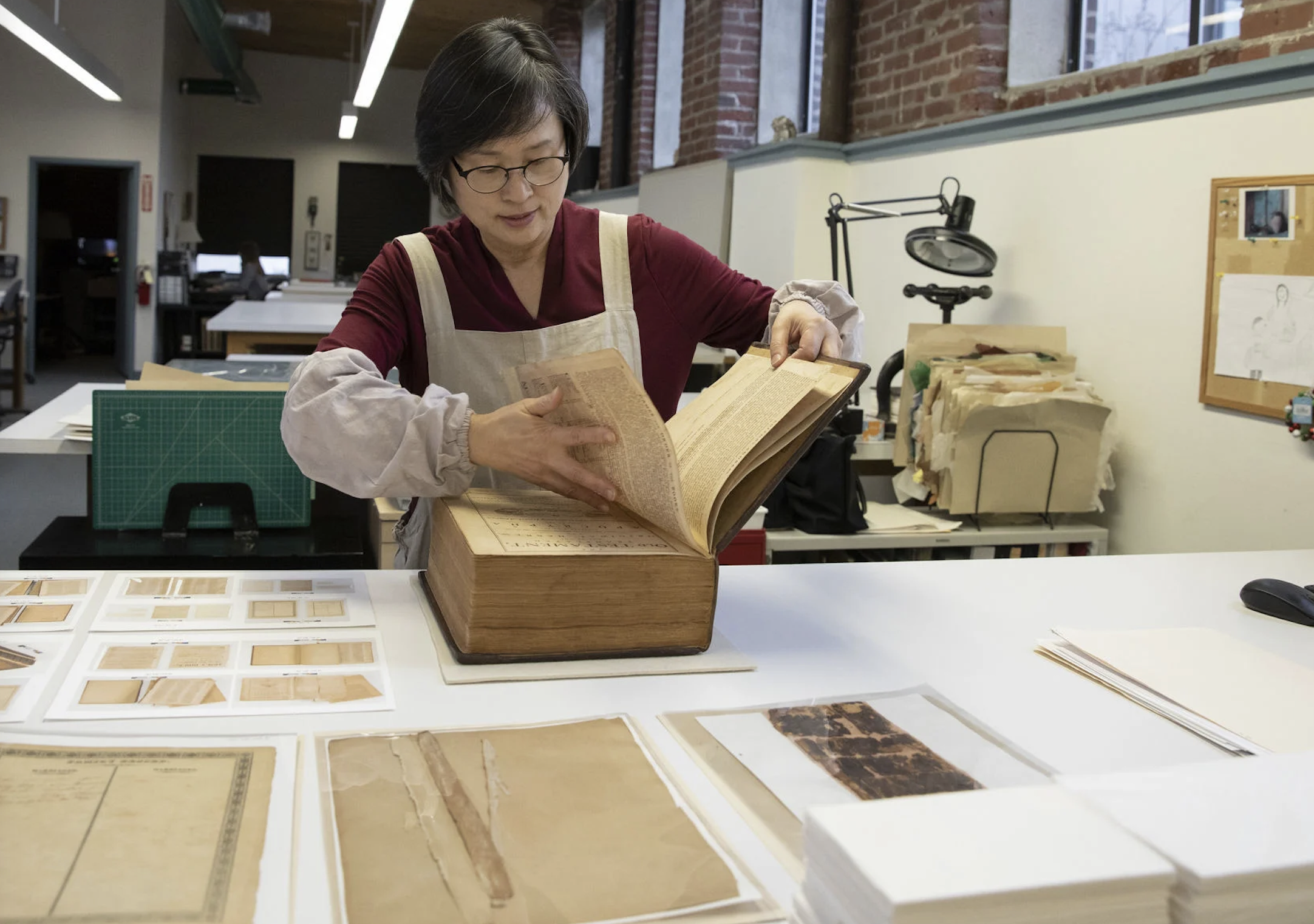
Senior Book Conservator Jungohk Theresa Cho turns a page of the 1,300-page Betsy Ross family Bible in the CCAHA book lab during its 50-hour stabilization treatment, which restored the volume’s crumbling spine and handwritten family registry of births, marriages, and deaths, 2019. Read more in The Philadelphia Inquirer: Betsy Ross’ imperiled family Bible is saved by local conservation center.